

Black Mold Removal in Harvey, IL
Harvey's older housing stock, including many homes with basements, creates persistent moisture challenges in the region's humid continental climate—conditions where black mold can develop when drainage or ventilation falls short of what these structures demand. Black mold removal requires prompt action to protect indoor air quality and the structural integrity of your property. Banner Mold Remediation connects Harvey property owners with independent local mold removal providers who can assess the scope of contamination and execute safe, thorough remediation tailored to your home's specific needs.
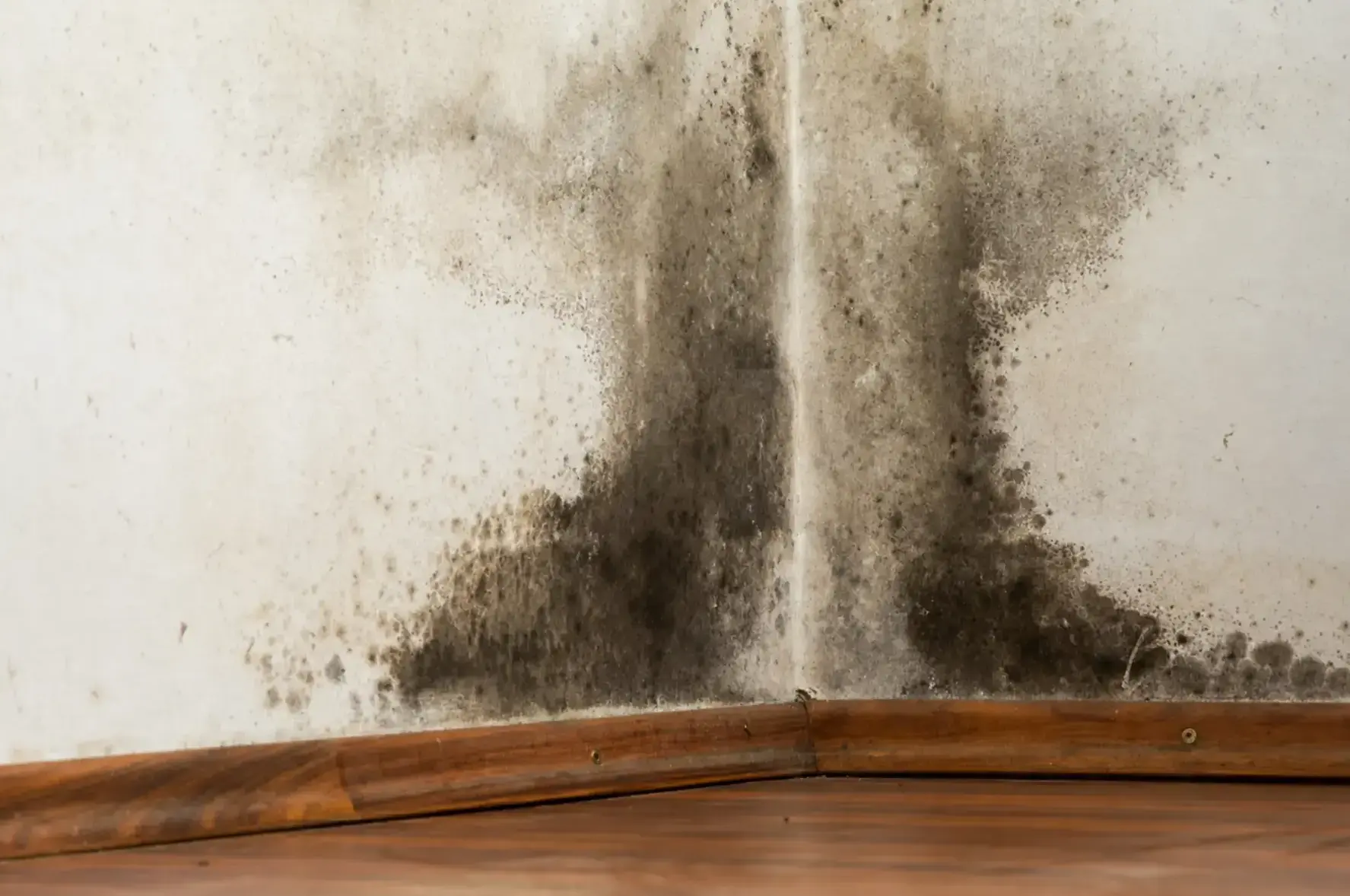
What gets cleaned in a home, and what comes out
Whether a material is cleaned in place or removed is not decided by how bad the mold looks. It is decided by what the material is made of and how large the affected area is. Below is the EPA’s published guidance on both counts, for a home.
| Material | Under 10 sq ftabout a cabinet door, or one ceiling tile | 10 to 100 sq ftroughly one wall, or a small bathroom | Over 100 sq ftmore than one room's worth of surface |
|---|---|---|---|
| Wallboarddrywall and plasterboardEPA, Table 2 | HEPA vacuum | HEPA vacuumRemove and discard | HEPA vacuumRemove and discard |
| Wood surfacesframing, subfloor and trimEPA, Table 2 | Wet vacuumDamp wipeHEPA vacuum | Wet vacuumDamp wipeHEPA vacuum | Wet vacuumDamp wipeHEPA vacuumRemove and discard |
| Non-porous, hard surfacestile, glass, metal and sealed hard surfacesEPA, Table 2 | Wet vacuumDamp wipeHEPA vacuum | Wet vacuumDamp wipeHEPA vacuum | Wet vacuumDamp wipeHEPA vacuum |
| Carpet and backingcarpet, backing and padEPA, Table 2 | Wet vacuumHEPA vacuum | Wet vacuumHEPA vacuumRemove and discard | Wet vacuumHEPA vacuumRemove and discard |
What those methods mean, in EPA's words
- Wet vacuum
Wet vacuums are vacuum cleaners designed to collect water. They can be used to remove water from floors, carpets and hard surfaces where water has accumulated.
EPA, cleanup methods- Damp wipe
Mold can generally be removed from nonporous (hard) surfaces by wiping or scrubbing with water, or water and detergent.
EPA, cleanup methods- HEPA vacuum
HEPA (High-Efficiency Particulate Air) vacuums are recommended for final cleanup of remediation areas after materials have been thoroughly dried and contaminated materials removed.
EPA, cleanup methods- Remove and discard
Building materials and furnishings that are contaminated with mold growth and are not salvageable should be double-bagged using 6-mil polyethylene sheeting.
EPA, cleanup methods
Removed and replaced, whatever the area
- Fiberglass or other insulation — batt or blown insulation.
Fiber glass, or any other insulation material that is wet or visibly moldy (or if an unacceptable odor is present) should be removed and replaced by a qualified heating and cooling system contractor.
EPA, air duct cleaningEPA states this in its heating-and-cooling guidance and it is quoted here as written. Its water-damage table reaches the same conclusion for both fiberglass and cellulose insulation.
These guidelines are for damage caused by clean water. If you know or suspect that the water source is contaminated with sewage, or chemical or biological pollutants, then Personal Protective Equipment and containment are required by OSHA.
EPA, Table 1Porous materials that are wet and have mold growing on them may have to be discarded.
EPA, cleanup methodsMold can grow on wood, drywall, carpet and furniture if they remain wet for more than 24 hours.
EPA, flood cleanup
EPA's guidance does not change with the color of the growth. What decides whether something is cleaned or removed is the material and the size of the affected area — the same two axes as any other mold. Treating a dark growth as automatically more serious usually just means paying to remove material the EPA's own table says could have been cleaned.
Harvey averages about 9.8 days a year with an inch or more of rain, most often in July.Source: NOAA 1991-2020 Climate Normals, PARK FOREST, IL US station (4.4 mi from Harvey)
Black Mold Removal Services for Harvey, IL Homes
Harvey's humid continental climate brings consistently high moisture levels through much of the year, creating conditions where black mold can develop in homes when drainage or ventilation falls short of what older structures require. Many properties in Harvey feature basements and crawl spaces—both areas where moisture naturally accumulates—and without proper air flow or water management, these spaces become breeding grounds for mold growth. Property owners across Harvey recognize that black mold removal is not just a cosmetic concern; addressing it promptly protects both the structure and the health of everyone inside.
Banner Mold Remediation connects Harvey property owners with independent local providers who specialize in thorough black mold removal tailored to each home's specific needs. The providers in our network approach black mold removal with containment, safe removal, and drying practices designed to address the root cause—whether that's moisture control, ventilation improvement, or drainage repair—so the problem does not quickly return. Once black mold removal is complete, follow-up guidance helps you maintain the conditions that keep mold from taking hold again. If you suspect black mold in your Harvey home, reaching out for a local inspection is the first step toward a safer, healthier indoor environment.
Why Harvey Property Owners Choose Banner Mold Remediation
Fast Black Mold Removal Response
Banner connects you with local providers ready to respond quickly to black mold removal needs. Same-day or next-day assessments and removal plans help minimize exposure and halt growth before it spreads.
Clear Communication Throughout Removal
Black mold removal requires transparency. Your connected provider explains findings, containment steps, and removal methods in plain language, keeping you informed from inspection through completion and indoor air quality restoration.
Thorough Black Mold Removal Process
Effective black mold removal addresses not just visible growth but moisture sources and affected materials. Local providers Banner connects you with follow systematic removal and moisture control to help prevent recurrence.
Moisture Control for Harvey Homes
Older Harvey homes with basements face persistent moisture challenges year-round in our humid regional climate. Black mold removal paired with drainage and ventilation improvements targets the conditions that allow mold to take hold.
How Our Black Mold Removal Process Works
Connect with a Local Black Mold Removal Provider
Tell us about the black mold concern in your Harvey home, and we'll connect you with an independent local removal provider nearby. They'll reach out promptly to schedule your black mold inspection and discuss your property's specific situation.
Get Your Black Mold Inspected and Diagnosed
The provider conducts a thorough inspection to locate black mold growth, assess moisture sources, and evaluate affected areas. In Harvey's humid climate, moisture often accumulates in basements and crawl spaces where drainage or ventilation falls short—these inspections pinpoint where black mold is taking hold.
Complete Black Mold Removal and Remediation
Once black mold is identified, the provider removes affected materials, addresses the moisture source driving regrowth, and restores indoor air quality. You'll receive guidance on preventing future black mold conditions in your home.
Dealing with Black Mold Removal in Harvey? Get fast, professional help.
Call Now — (708) 775-3544Black Mold Removal Across Harvey's Older Homes
Harvey's housing stock includes many older properties with basements and crawl spaces—structural features that create ongoing moisture management challenges. In the humid continental climate of the Chicago metro region, moisture accumulation through summer and year-round damp conditions can infiltrate these below-grade spaces when drainage systems or ventilation become inadequate. When water finds its way into foundations or crawl areas, conditions favor mold colonization, including black mold, which thrives in poorly ventilated, moisture-rich environments. Homeowners in neighborhoods like North Harvey and West Harvey with aging construction often discover mold problems during routine inspections or when they notice musty odors or visible growth on basement walls and framing.
Black mold removal in Harvey requires a clear understanding of how moisture enters older homes and where it tends to collect. Independent local remediation providers connected through Banner assess each property's specific drainage, ventilation, and structural condition to determine the scope of mold growth and plan safe, thorough removal. Addressing the moisture source itself—whether through gutter maintenance, foundation sealing, or improved crawl-space ventilation—is essential to prevent mold from returning after remediation. A local provider familiar with Harvey's housing patterns and seasonal moisture dynamics can help identify problem areas before mold becomes widespread.
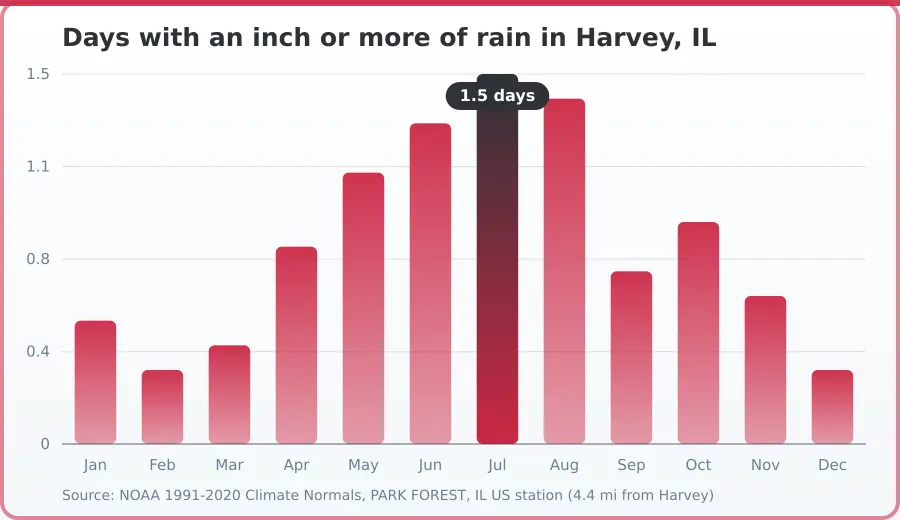
| Period | Days with an inch or more of rain (days) |
|---|---|
| Jan | 0.5 |
| Feb | 0.3 |
| Mar | 0.4 |
| Apr | 0.8 |
| May | 1.1 |
| Jun | 1.3 |
| Jul | 1.5 |
| Aug | 1.4 |
| Sep | 0.7 |
| Oct | 0.9 |
| Nov | 0.6 |
| Dec | 0.3 |
Source: NOAA 1991-2020 Climate Normals, PARK FOREST, IL US station (4.4 mi from Harvey). Retrieved October 5, 2026.
Seasonal Black Mold Removal Needs in Harvey
Spring: Thaw and Moisture Surge
Spring snowmelt and increased rainfall create conditions where black mold thrives indoors, particularly in basements where drainage systems struggle under heavy water load. Banner connects Harvey property owners with local removal providers who assess moisture entry points and containment strategies before mold colonies expand.
Summer: Peak Growth Season
Humidity remains consistently elevated throughout summer across the Chicago metro region, and black mold accelerates its growth in inadequately ventilated spaces where moisture lingers. Visible colonies often become apparent during this season, while indoor air quality deteriorates. Local providers in the Banner network can identify active infestations and develop removal and moisture-control plans tailored to your home's specific vulnerabilities.
Fall: Transition and Detection
As temperatures drop and heating systems activate, air circulation changes can dislodge mold spores, making black mold infestations more noticeable through odor or visible growth. Fall inspections often reveal problems that developed silently over summer. Banner's referral service connects you with independent local specialists who can assess affected areas and recommend safe removal before winter compounds moisture retention.
Winter: Condensation and Containment
Cold outdoor air and heated interiors create condensation in poorly insulated spaces, giving black mold additional moisture to support dormant or slow growth. Winter is an ideal time for targeted removal work, as lower humidity and closed homes allow providers to contain spores effectively. Banner helps Harvey property owners connect with local remediation professionals who can address infestations with minimal disruption while conditions favor thorough treatment.
Related Services
Black Mold Removal FAQs — Harvey, IL
Black mold removal begins with containment to prevent spores from spreading through your home. The independent provider will isolate affected areas, remove contaminated materials carefully, clean surfaces with appropriate solutions, and ensure proper disposal. Once removal is complete, they address underlying moisture sources—like drainage issues or inadequate ventilation—to reduce the likelihood of recurrence.
Banner Mold Remediation connects you with independent local mold removal providers in Harvey to help you address the problem promptly. The speed of scheduling depends on the provider's availability and your situation's urgency. Once connected, you can discuss timelines directly with the provider handling your black mold removal.
Black mold removal costs depend on the extent of contamination, size of affected areas, type of materials involved, and the moisture source requiring correction. Older Harvey homes with basements may have different remediation needs than other properties. The independent provider you're connected with will assess your specific situation and discuss pricing based on their findings and scope of work.
Before black mold removal, the independent provider will give you specific preparation instructions. Generally, you may need to vacate affected areas during work, secure pets and plants away from containment zones, and allow access to problem areas. Clear pathways and discuss any concerns about belongings or sensitive items with the provider before they begin the removal process.
After black mold removal, focus on moisture control: fix leaks promptly, ensure gutters and downspouts drain away from your foundation, and maintain proper ventilation in basements and other damp-prone areas. In Harvey's humid climate, using dehumidifiers and monitoring basement or crawl-space moisture levels helps prevent conditions that allow mold to return. Regular inspections catch early signs of moisture problems.
Harvey experiences sustained high humidity and damp conditions through much of the year, creating ongoing environments where black mold can grow—not just seasonally. Spring and summer humidity peaks can accelerate growth, but moisture-driven mold in basements and poorly ventilated spaces is a year-round concern. Prompt removal whenever black mold is discovered helps protect your home's air quality regardless of season.
Homeowner Safety Toolkit
Verify Your Harvey, IL Mold Remediation Company
Before you hire anyone, use these independent national resources to confirm credentials, standards, and track record.
CDC
Covers the health effects of mold exposure and safe cleanup practices, separate from the remediation work itself — useful if anyone in the home has respiratory symptoms.
Mold Health GuideBBB
Look up any mold remediation company's complaint history, customer reviews, and accreditation status — a free, independent check before you hire.
Check StandingIICRC
Publishes the S520 standard for professional mold remediation. Confirm a company's technicians hold real, current IICRC certification before you hire them.
Verify CertificationDealing with Black Mold Removal in Harvey, IL? Call (708) 775-3544 for 24/7 help.
Call Now — (708) 775-3544Areas We Serve in Harvey, Illinois
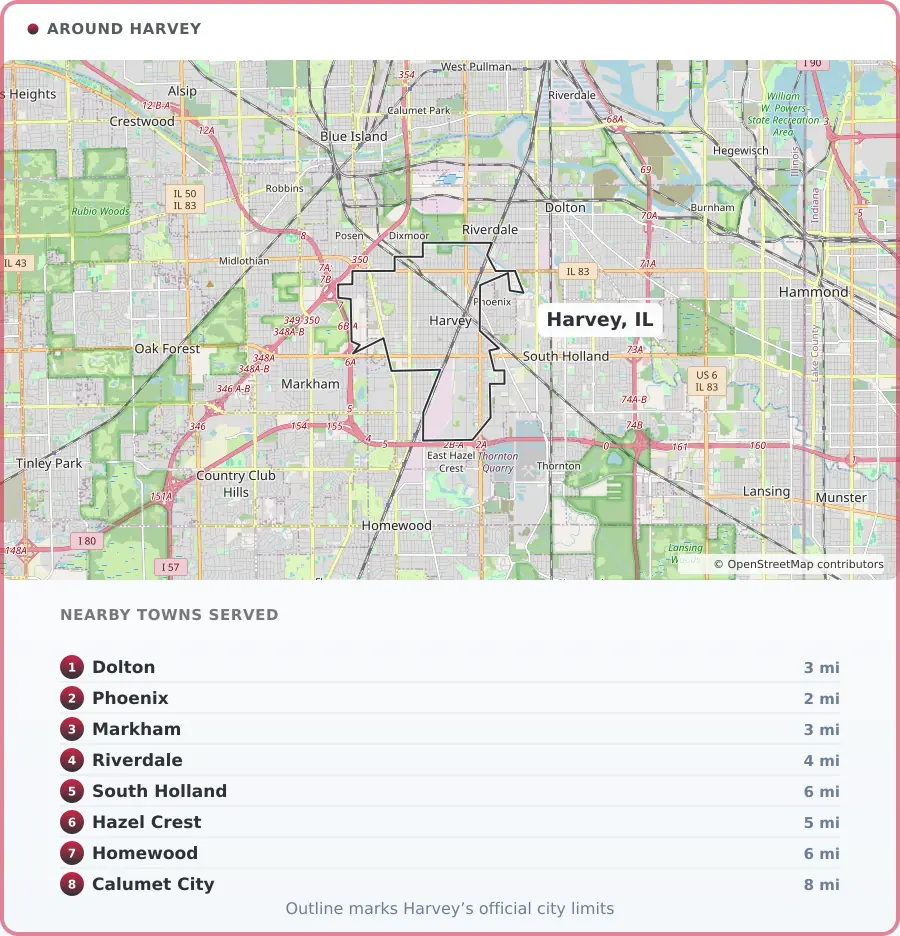
Harvey, IL is the centre of the service area, which extends to 8 surrounding towns. The map shows how far that reaches.
Harvey, IL Information
Harvey, IL sits just south of Chicago, a community built on grit and motion. Its skyline and street grid still echo the days when rail lines and manufacturing plants anchored the south suburbs, and that industrial backbone hasn't disappeared so much as evolved. These days the roughly 22,000 residents of Harvey are more likely tied to healthcare, government, and logistics work, with UChicago Medicine Ingalls Memorial, the City of Harvey, and Cook County among the steady employers keeping the local economy moving.
From North Harvey to West Harvey, the city's neighborhoods reflect that layered history, with many homes dating back to the area's industrial heyday. That older housing stock gives Harvey real character, even as it means residents often keep a closer eye on upkeep than owners of newer construction might.
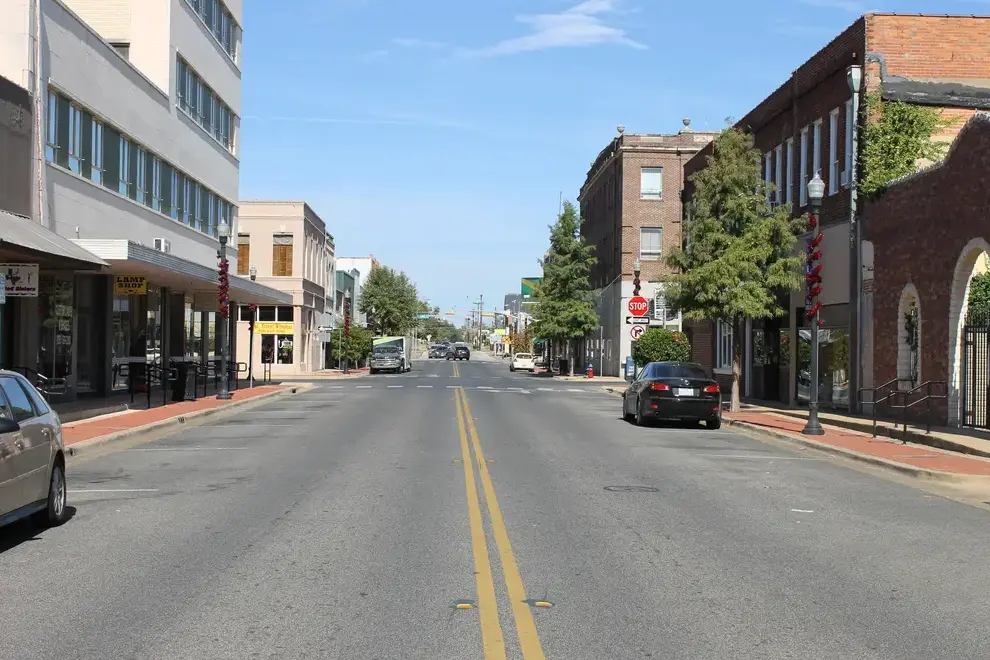
Photo: Billy Hathorn, CC BY-SA 3.0